Why we’re drawn to luck: the psychology behind games of chance in modern culture

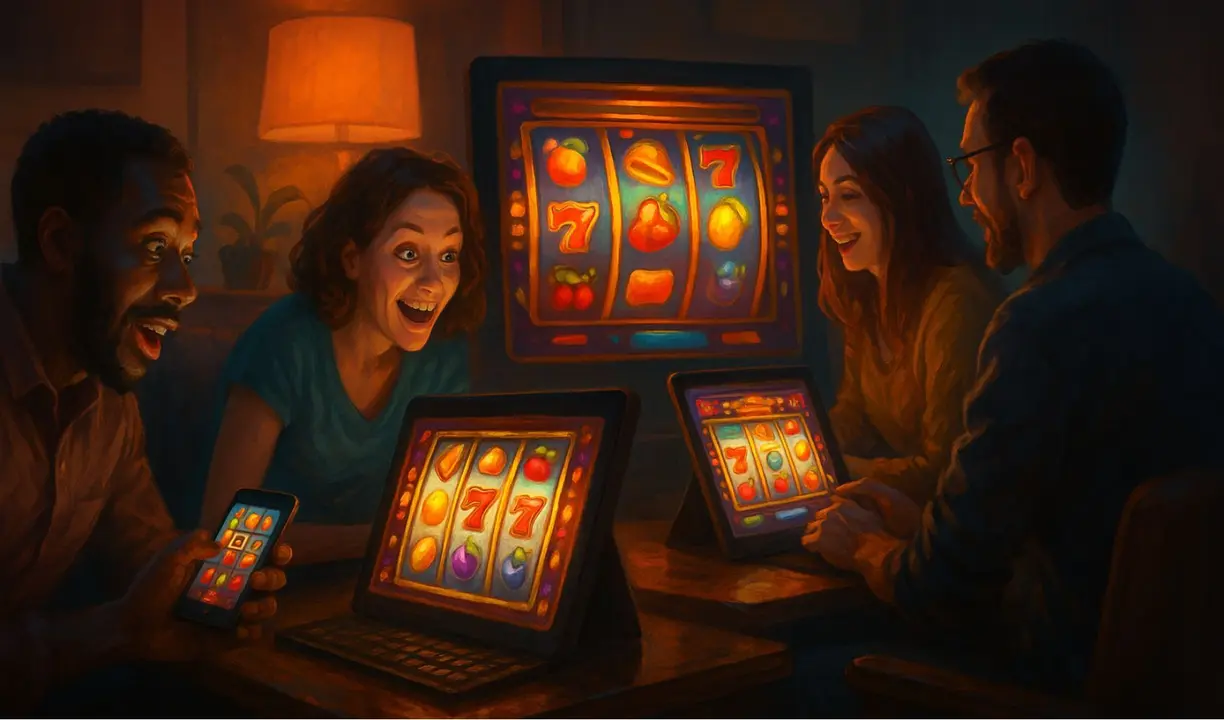
In every corner of the world, people are spinning reels, flipping cards, and rolling dice — not for riches, but for the thrill of chance. Whether it’s a lottery ticket, a carnival wheel, or a digital slot game, the pull of unpredictability is universal. But what is it about luck-based games that continues to fascinate us?

This enduring attraction has less to do with logic and more to do with psychological reward patterns hardwired into the human brain. In the age of digital entertainment, especially with the rise of social casino platforms like High Roller, our connection to luck-based play has evolved — but it hasn't lost its grip.
The Psychology of Uncertainty
One of the most studied aspects of human behavior in psychology is how we react to uncertainty. According to research in behavioral neuroscience, the brain responds more strongly to unpredictable rewards than to predictable ones. This is known as a variable reward schedule, and it’s the same principle that fuels everything from checking social media notifications to playing a digital slot game.
In games of chance, the next play could always be "the one", and that potential — even when not realized — keeps players engaged. That small dopamine release when a play triggers a win creates a loop where players seek the next reward, even if it’s sporadic. This mechanism doesn’t just make games entertaining; it makes them memorable.
Cultural Fascination with Fortune
Our fascination with luck isn't new. Ancient civilizations flipped coins, cast lots, and drew symbols to divine outcomes. From Norse runes to Chinese dice-like "liubo" games, the appeal of chance-based rituals was often tied to spirituality, fate, and fortune.

In the modern era, this spiritual aspect may have faded, but the psychological need remains. When life feels uncertain, people often seek controlled environments where unpredictability feels safe and fun — like games of chance. Today, these environments are increasingly digital, personalized, and social.
Digital Play and the Illusion of Control
Modern game designers understand the psychology behind luck. In many digital slot-style games, players experience the illusion of control through animations, sounds, and choice-based features — even though the core outcome remains random.
These games create a narrative of suspense. Symbols line up, lights flash, and players feel like they are "close" to something big. This nearness effect — known as a near-miss — can trigger the brain similarly to an actual win, creating a cycle of ongoing play.
Social casino platforms amplify this by offering a risk-free environment where players can explore a wide variety of themes and styles. This evolution of play means that the pursuit of luck is no longer just about reward — it's about engagement, exploration, and entertainment.
Luck and the Search for Meaning
In cultures across time, people have turned to games of chance not just for distraction, but to make sense of randomness in their lives. The act of flipping a coin or spinning a reel becomes symbolic — a way to test fate, challenge fortune, or simulate control in a chaotic world.
A 2020 study published in the National Institutes of Health explains how the brain’s reward system reacts to uncertainty and how certain types of decision-making under unpredictable conditions can trigger heightened neural responses. These insights help explain why humans find patterns and meaning in random outcomes — a cognitive trait known as apophenia.
The Modern Role of Luck in Entertainment
In today’s overstimulated digital world, games that center on randomness offer something unique: freedom from decision fatigue. There’s no complex strategy, no stress — just play, observe, and enjoy. This makes social slot games an ideal form of light, escapist entertainment for adults who want a brief break from reality.
Platforms like High Roller meet this demand by offering players the chance to experience themed, interactive slot-style games in a purely entertainment-focused setting. Without the involvement of real currency or high stakes, the games invite users to enjoy the sensation of winning without the pressure of loss.
The Timeless Appeal of Uncertainty
As technology changes how we play, the reason why we play remains deeply human. Luck-based games — whether on a board, a screen, or in a community event — offer us a temporary stage where chance can surprise, delight, and engage. That unpredictable spark, that "what if" moment, continues to be a powerful driver of enjoyment.
In a world full of routines and algorithms, games of chance remind us that not everything is meant to be controlled — and sometimes, that’s exactly why it’s so fun. @mundiario